

Is Writing Thinking?
Probing an overstated assumption

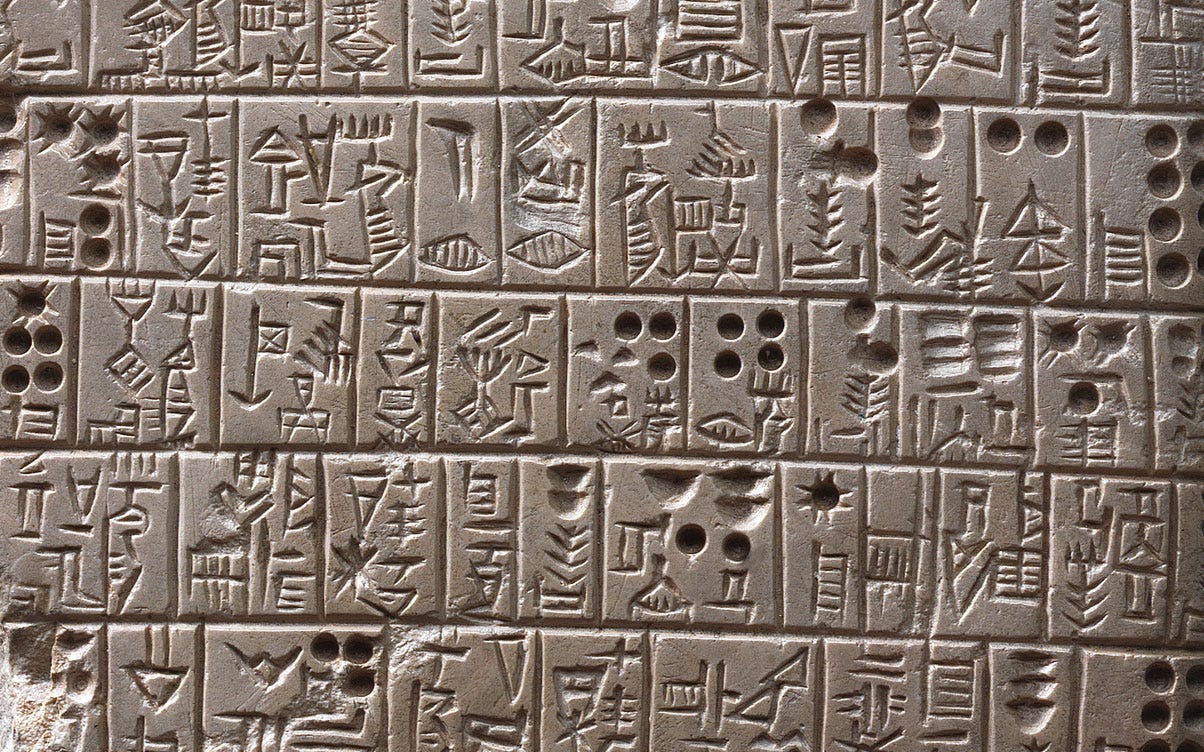
In the age of thinking machines, many human writers love to declare as an article of faith that writing is thinking. But is this true?
It clearly cannot be so. What are people doing when they are engaged in a conversation? Are they merely shooting off beads of words without any reflection at all? Is the art of listening, pondering, and responding but the gabbling of so many geese? How about those in the physical trades? Is an electrician laying conduit not exercising his intellectual faculties whatsoever? Is he only a biological machine following his animal instincts in order to bring light to a building?
The person in conversation is thinking. The electrician laying conduit is thinking. The claim that writing is thinking, taken literally, is obviously false.
When pressed on these points, the “writer as thinker” may pull back their overextended claim and assert that obviously the examples raised are forms of thinking, but what writing can exclusively provide is the fruit of crystallized thinking. Oral and physical reasoning are dynamic, ever-changing. They require the capacity to respond rapidly to changing conditions, to think on your feet. This is in contrast to writing, which once laid down needs to stand for itself. The author is given the ability to draft, review, revise, and excise until they reach a point that they are minimally confident in the artifact they have produced.
Grant all this. But notice what has happened: writing is not just thinking, it is the best thinking!
And why does this phrase circulate with such fervor now, just as machines have learned to produce paragraphs on demand? Because it justifies keeping the machines at arm’s length. If writing is thinking, then outsourcing your writing means outsourcing your mind. A convenient conclusion for those who write for a living—and an impoverished view of human intelligence for everyone else.